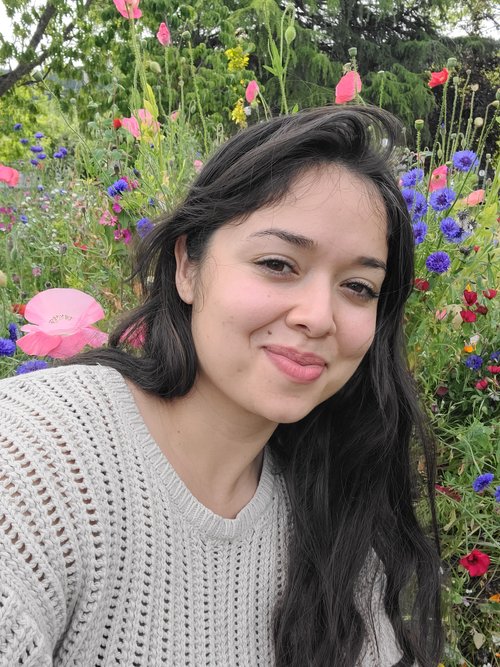
Mari mari / Piyalli / Hello! My name is Yaosca Karina (they/them), and I am a queer, gender fluid person of Central American (Nicaragua) and Mapuche descent. My mother’s lineage is mainly from central-Pacific Nicaragua, in and around the present-day departments of León and Managua. My father’s side is mainly from central Chile, in and around the present-day province of Marga Marga. Our family also has European, East African, and West Asian heritage.
I became a birth and postpartum doula in May 2023 while living on the territories of the Musqueam, Squamish, and Tsleil-Waututh Nations (Vancouver). In December 2024, I moved back to Treaty 1 territory and the homeland of the Red River Métis (Winnipeg) and began my training as an end-of-life doula. I am pro-choice, fluent in English and Spanish, and proficient in French.
My draw to birth and death care is spiritual and political. I am fascinated by the lessons that these moments of tremendous change can teach us about recognizing each other’s dignity and living a fulfilling life, and I am committed to supporting people in exerting control over their bodies, communities, and stories. Reflecting my spiritual and political values, my practice is holistic and evidence-based.
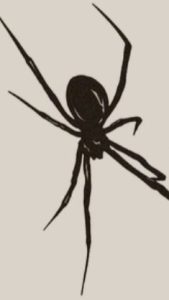
The name of my practice, Tescatl Llalliñ, translates to Mirror (Nahuatl) Spider (Mapudungun).
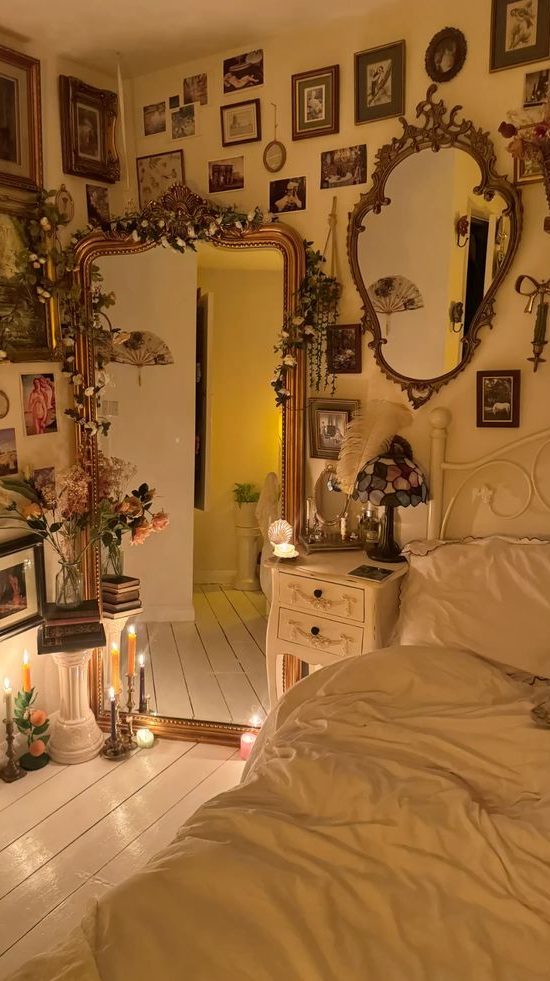
In parts of Mexico and Central America, mirrors have and continue to be sacred. For instance, select members of a given community could work with mirrors to peer into and learn from the spirit world. Mirrors can also symbolize dualities inherent in existence, such as the duality between life and death.
Our everyday use of mirrors as a way to literally see ourselves is full of symbolic meaning for me, too. Mirrors remind me of how we get to know ourselves through our relationships with others. As such, I see my role as a full spectrum doula as an opportunity to help others learn more about themselves and affirm them in their process of self-becoming.
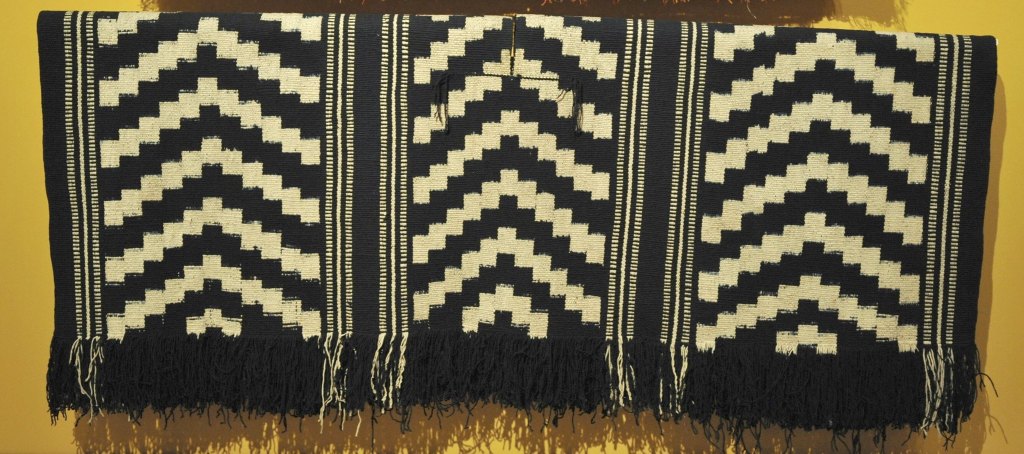
I chose llalliñ to honour my paternal lineage and the teachings of the spider. Textile weaving is an important practice for the Mapuche. From my understanding, women were taught this skill by Llallin Kushe (Old/Grandmother Spider), who now protects pu ñerefe (weavers) against bad spirits. Pu ñerefe devote countless hours to creating their textiles. Textiles embody the labour and stories of the person who makes them, offering a snapshot of what the ñerefe was experiencing in their own life while crafting this piece. One lesson I take from this is that so-called “flaws” or “mistakes” do not devalue a textile; rather, it is the process of making the textile, and the wholeness of the story it tells, that makes it so valuable and beautiful.
I believe that pu ñerefe (textile weavers) and pu llalliñ (spiders) can teach us a lot about how to relate to our own journeys through transitions like deciding whether or not to become a parent, loss, labour, and end of life. Pu ñerefe and pu llalliñ invite us to treat ourselves with grace, curiosity, and flexibility as we weave our stories.